


Lately, many investors have turned to different property to diversify their retirement portfolios. Amongst these options, gold and silver have emerged as popular choices for these looking to safeguard their monetary future. One appealing technique to spend money on these treasured metals is thru a self-directed Particular person Retirement Account (IRA). This report goals to offer an in depth overview of self-directed gold and silver IRAs, together with their advantages, risks, regulations, and the steps involved in setting them up.
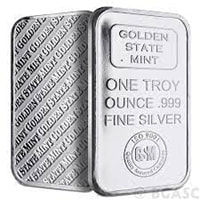
What is a Self-Directed IRA?
A self-directed IRA (SDIRA) is much like a traditional IRA or Roth IRA, but it permits buyers to have higher management over their funding decisions. While most IRAs are restricted to stocks, bonds, and mutual funds, a self-directed IRA permits investments in a wide array of belongings, together with real estate, personal equity, and, notably, treasured metals like gold and silver. This flexibility allows buyers to create a diversified portfolio tailor-made to their investment strategies and danger tolerance.
Why Spend money on Gold and Silver?
Gold and silver have been thought of secure-haven assets, notably in times of financial uncertainty. Traditionally, these metals have held their worth, even during market downturns, making them engaging for lengthy-time period investment. Additionally, gold and silver can function a hedge in opposition to inflation; because the purchasing power of fiat foreign money declines, the worth of these metals often will increase.
- Inflation Hedge: Treasured metals are inclined to retain value when inflation erodes the purchasing energy of currency, making them a compelling selection for preserving wealth.
- Portfolio Diversification: Including gold and silver in an funding portfolio can present a degree of diversification that may scale back general threat.
- Intrinsic Value: Unlike stocks or bonds, gold and silver have intrinsic worth as bodily commodities, which may improve robustness in unsure financial climates.
Advantages of a Self-Directed Gold and Silver IRA
Investing in a self-directed gold and silver IRA affords a number of advantages:
- Control and flexibility: Investors have full control over their investment decisions and might tailor their portfolios to fulfill their financial goals.
- Tax Benefits: Just like conventional IRAs, contributions to self-directed IRAs could also be tax-deductible, and any earnings from the investments can develop tax-deferred until withdrawals are made.
- Protection Towards Market Volatility: Treasured metals can mitigate risk associated with inventory market fluctuations, appearing as a buffer throughout turbulent occasions.
Risks and Considerations
Whereas self-directed gold and silver IRAs may be useful, they also include dangers and concerns that investors need to bear in mind:
- Market Fluctuations: The costs of gold and silver will be risky. Buyers must be prepared for potential quick-term losses.
- Regulatory Compliance: There are strict IRS regulations governing the varieties of metals that can be included in a self-directed IRA. Only sure types of gold (e.g., American Eagle coins, Canadian Maple Leaf coins, and specific bullion bars) qualify, necessitating careful adherence to IRS guidelines.
- Storage and Security: Precious metals must be stored in an IRS-permitted depository. This involves additional fees and requires cautious consideration of the security measures in place on the storage facility.
- Limited Liquidity: Promoting precious metals can take time, and availability can impact liquidity in comparison with extra conventional belongings.
Setting up a Self-Directed Gold and Silver IRA
Buyers curious about organising a self-directed gold and silver IRA typically follow these steps:
- Choose a Custodian: The IRS mandates that every one IRAs have a custodian, which is a financial institution responsible for maintaining data, processing transactions, and guaranteeing compliance with IRS laws. It's essential to decide on a custodian with experience in dealing with precious metals.
- Fund the Account: Buyers can fund their self-directed IRA by way of contributions, rollovers from present retirement accounts, or transfers from other IRAs. You will need to consult a tax advisor to know the implications of those transactions.
- Choose Your Investments: After funding the account, investors can buy allowable gold and silver belongings via their custodian. This typically involves deciding on a reputable dealer to acquire the metals.
- Storage of Valuable Metals: Upon buying the valuable metals, the custodian should ensure they're stored in an IRA-authorised depository, which supplies a safe atmosphere compliant with IRS rules.
- Monitor Your Investments: Regular monitoring of the investment’s performance is vital. Buyers should keep informed about market traits affecting gold and silver prices and assess how these property fit into their general retirement technique.
Conclusion
Self-directed gold and silver IRAs supply a unique alternative for buyers seeking to diversify their retirement portfolios with valuable metals. If you loved this report and you would like to obtain a lot more facts concerning Thoughtlanes resource blog kindly stop by our own web-page. While the potential benefits, corresponding to tax advantages and safety towards inflation, are compelling, it is essential to be mindful of the risks concerned, together with market volatility and compliance with IRS rules. By carefully deciding on a custodian, understanding the funding panorama, and conducting thorough due diligence, traders can place themselves to take pleasure in the advantages of investing in gold and silver by a self-directed IRA. As with any funding, in search of recommendation from monetary professionals and conducting intrepid research is paramount to attaining lengthy-term financial objectives.