


In the realm of retirement planning, Particular person Retirement Accounts (IRAs) have grow to be a cornerstone for a lot of buyers searching for to safe their monetary futures. Amongst the varied investment choices obtainable within IRAs, precious metals have garnered vital consideration resulting from their historical worth and potential for diversification. This text explores the kinds of valuable metals permitted in IRAs, the rules governing their inclusion, and the implications for buyers.
Treasured metals, primarily gold, silver, platinum, and palladium, are the four predominant categories that can be included in a self-directed IRA. Every of these metals has unique characteristics and market behaviors, making them attractive choices for traders trying to hedge against inflation and market volatility. Gold, sometimes called a safe-haven asset, has been a logo of wealth for centuries and is widely recognized for its stability. Silver, while also invaluable, tends to be extra risky and is utilized in various industrial purposes. Platinum and palladium, however, have gained prominence due to their use in automotive catalytic converters and other applied sciences, leading to fluctuating demand based on economic conditions.
To include valuable metals in an IRA, buyers should adhere to specific regulations established by the internal Revenue Service (IRS). In line with IRS tips, the metals must meet sure purity requirements. For gold, the minimum fineness is 0.995, while silver should have a minimal purity of 0.999. Platinum and palladium must additionally meet the 0.9995 purity requirement. Moreover, the metals should be in the type of bullion coins or bars produced by an permitted mint or refiner. Notably, collectible coins or numismatic gadgets do not qualify for inclusion in an IRA, as they do not meet the IRS's standards for funding-grade metals.
The choice of a custodian is a crucial side of establishing a precious metals IRA. Custodians are accountable for holding the bodily metals and guaranteeing compliance with IRS laws. Investors should choose a custodian with expertise in handling valuable metals and a solid popularity within the business. Additionally, custodians may cost charges for their providers, which can vary considerably, so it is important for buyers to evaluation the charge structure earlier than making a decision.
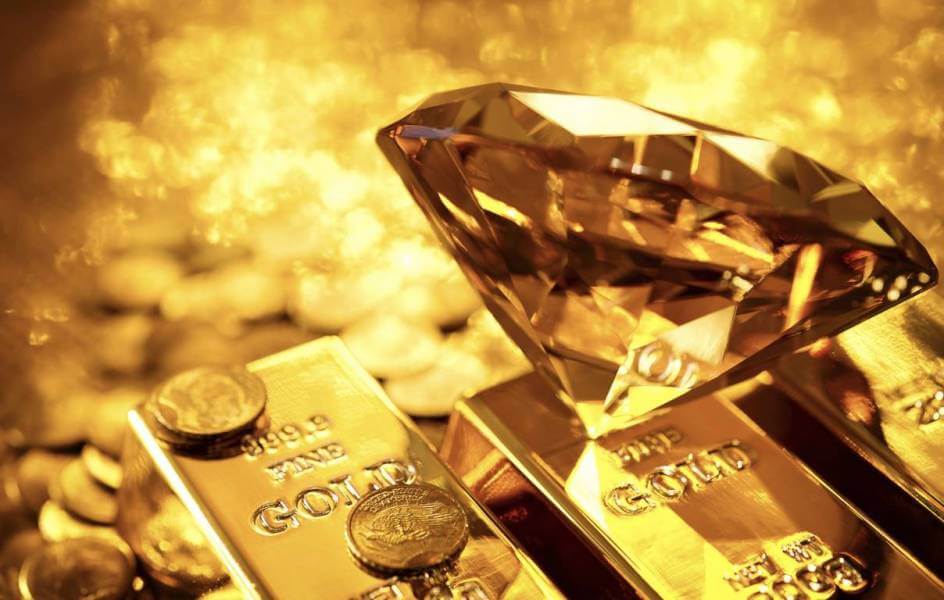
Investing in treasured metals by an IRA affords a number of benefits. One of many most vital benefits is the potential for tax-deferred development. When treasured metals are held within an IRA, any positive factors made from the appreciation of the metals usually are not subject to capital beneficial properties tax till the investor withdraws funds from the account. This characteristic permits investors to learn from the long-time period appreciation of valuable metals with out incurring fast tax liabilities. Furthermore, the inclusion of treasured metals in an IRA can present a hedge towards inflation and financial uncertainty, as these assets tend to retain value throughout turbulent occasions.
However, potential buyers must also be aware of the challenges associated with investing in valuable metals by an IRA. One concern is the volatility of treasured metal costs, which can lead to vital fluctuations in the worth of the investment. Not like traditional stocks and bonds, precious metals do not generate income, similar to dividends or curiosity, which can make them much less appealing for some buyers. Moreover, the costs related to buying, storing, and insuring bodily metals can add up, probably impacting general returns.
The means of establishing a precious metals IRA entails several steps. First, buyers must choose a self-directed IRA custodian that enables for the inclusion of precious metals. As soon as a custodian is selected, the investor can fund the IRA through a rollover from an existing retirement account or by making a new contribution. After the account is funded, the investor can then purchase eligible valuable metals, which can be held in the custodian's safe storage facility. It is essential for buyers to maintain detailed records of all transactions, because the IRS requires documentation for tax reporting functions.
As the interest in precious metals continues to develop, it is essential for investors to stay knowledgeable about market developments and financial indicators that will affect the value of those assets. Components equivalent to geopolitical tensions, currency fluctuations, and changes in interest charges can all affect the demand for treasured metals. Moreover, traders should consider diversifying their portfolios by including a mixture of treasured metals and other asset classes, corresponding to stocks and bonds, to mitigate risk and enhance potential returns.
In conclusion, investing in precious metals by way of an IRA presents each opportunities and challenges for traders. gold ira companies, silver, platinum, and palladium are the primary metals allowed, every with its distinctive properties and market dynamics. Adherence to IRS regulations, careful collection of custodians, and a thorough understanding of market tendencies are important for profitable investment in this asset class. As the monetary landscape continues to evolve, valuable metals remain a viable choice for those seeking to diversify their retirement portfolios and protect their wealth against economic uncertainties.