

Carbon monoxide kills more than 400 Americans every year and sends another 50,000 to emergency rooms — yet most victims never saw it coming. Known as the "silent killer," carbon monoxide is an invisible, odorless gas that can fill your home without any warning. A family sleeping through the night, a couple relaxing after dinner, children playing in a basement — none would notice the toxic gas slowly replacing the oxygen in their blood until symptoms became severe or fatal. The only reliable defense against this invisible threat is a functioning carbon monoxide detector, working alongside smoke alarms as part of a comprehensive fire protection strategy. But here's the uncomfortable question: is your current detector actually protecting you? Many homeowners install a detector once and forget about it, unaware that expired sensors, dead batteries, or poor placement could leave their families completely vulnerable. In this guide, we'll explore how to ensure your carbon monoxide detection system is truly keeping your household safe — from choosing the right device to maintaining it for years of reliable performance.
The Silent Threat: Why Carbon Monoxide Detectors are Essential for Home Safety
Carbon monoxide is a byproduct of incomplete combustion, produced whenever fuel burns without adequate oxygen. Unlike a kitchen fire that triggers visible flames or a gas leak that carries a distinctive smell, carbon monoxide offers absolutely no sensory warning. It binds to hemoglobin in your blood more than 200 times more readily than oxygen does, effectively starving your organs and brain of the oxygen they need to function. Early detection isn't just helpful — it's the difference between a minor scare and a tragedy. A properly functioning carbon monoxide detector gives your family the critical minutes needed to evacuate and ventilate before exposure reaches dangerous levels. Within the broader context of home safety and fire protection, carbon monoxide detection represents one pillar of a multi-layered defense system that every homeowner must understand and maintain.
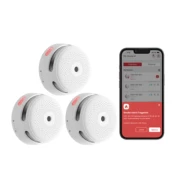
Understanding Carbon Monoxide and Its Dangers
The most common sources of carbon monoxide in residential settings include gas furnaces, water heaters, fireplaces, attached garages where vehicles idle, gas stoves, and portable generators. Any fuel-burning appliance that malfunctions or operates in a poorly ventilated space can produce lethal concentrations surprisingly quickly. Initial symptoms of exposure mimic the flu — headaches, dizziness, nausea, and fatigue — which is why so many victims fail to recognize the danger until confusion and loss of consciousness set in. Chronic low-level exposure can cause lasting neurological damage, memory problems, and cardiovascular stress even when acute poisoning doesn't occur. Because you cannot see, smell, or taste this gas, a dedicated detector remains the only mechanism capable of alerting you before harm begins.
The Role of Smoke Alarms in Comprehensive Fire Protection
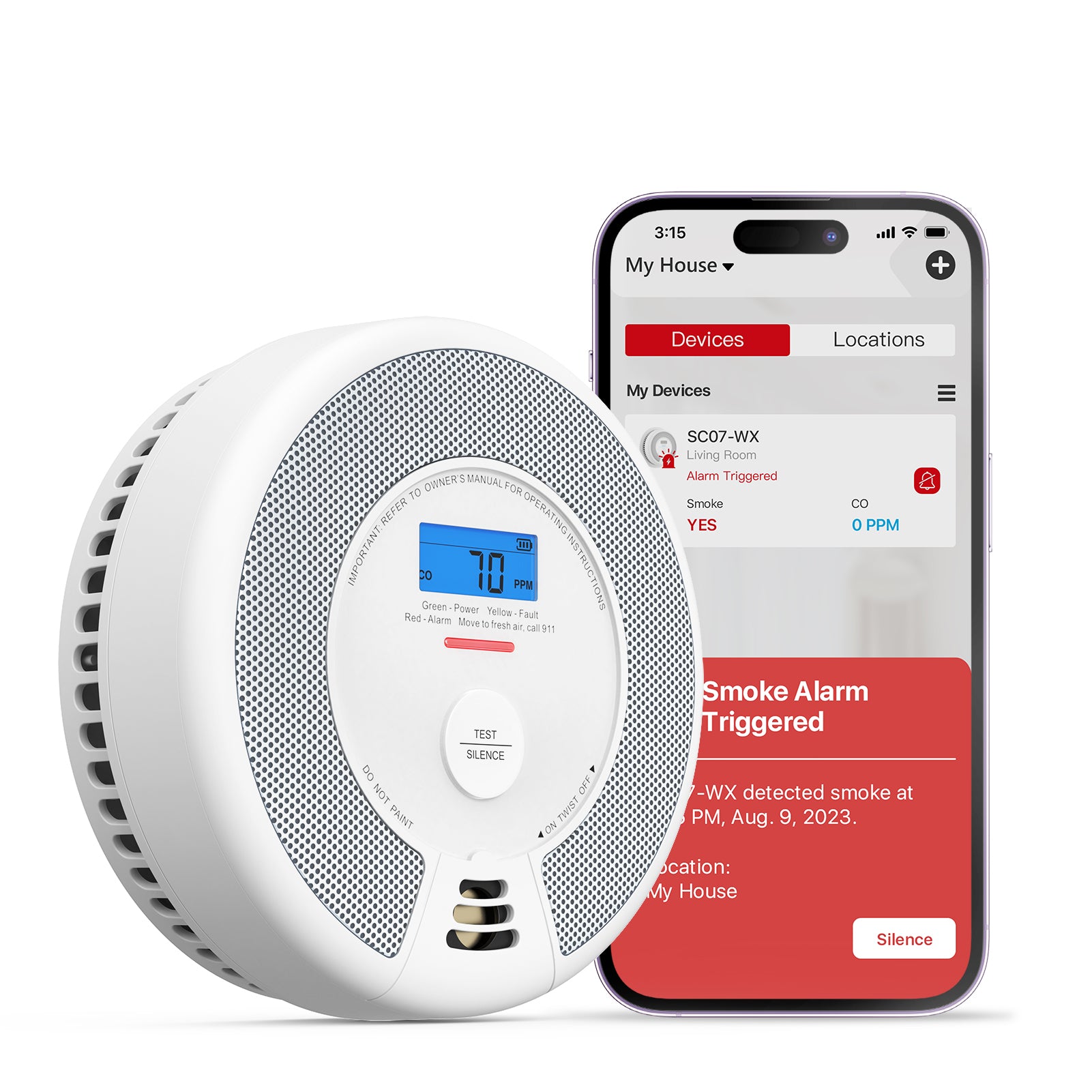
While carbon monoxide detectors monitor for toxic gas accumulation, smoke alarms respond to airborne particles produced by combustion — two fundamentally different threats that require distinct sensing technologies. A house fire may or may not produce significant carbon monoxide before flames become visible, and conversely, a malfunctioning furnace can flood a home with CO without ever generating smoke. Relying on one device while neglecting the other leaves a dangerous gap in your fire protection strategy. Complete home safety demands both: smoke alarms positioned to catch fires at their earliest stage, and carbon monoxide detectors placed to identify gas buildup from any source. Together, these devices form an integrated warning system that addresses the full spectrum of combustion-related hazards homeowners face.
Choosing the Right Detector: Features and Reliability for Homeowners
Selecting the right carbon monoxide detector and smoke alarm setup isn't a decision to make casually — your family's safety depends on choosing devices that will perform reliably when seconds count. The market offers everything from basic battery-operated units to sophisticated smart smoke detectors that integrate with your phone and home automation system. Understanding the differences between these options helps you match the right technology to your home's specific layout, fuel sources, and lifestyle needs. Beyond the type of device, paying attention to sensor technology, certification standards, and build quality separates genuinely protective equipment from cheap units that may fail precisely when you need them most.
Types of Carbon Monoxide Detectors and Smoke Alarms
Standalone carbon monoxide detectors are the simplest option — battery-powered units you mount on a wall or place on a shelf, requiring no wiring and easy to install in rental properties or older homes. Hardwired detectors connect directly to your home's electrical system with battery backup, offering uninterrupted protection without the risk of a completely dead unit sitting silently on your wall. Combination units that integrate both smoke detection and carbon monoxide sensing into a single device reduce clutter and simplify maintenance, though they also mean losing both protections simultaneously if one unit fails. For larger homes, interconnected systems link multiple detectors so that when one alarm triggers in the basement, every unit throughout the house sounds simultaneously — ensuring you hear the warning regardless of where you are. Each configuration carries trade-offs: battery units offer flexibility but demand more vigilant maintenance, hardwired systems provide consistency but require professional installation, and combo units save space while concentrating risk in a single point of failure.
Key Features to Look for in Reliable Safety Devices
Prioritize detectors carrying UL 2034 certification for carbon monoxide units and UL 217 for smoke alarms — these listings confirm the device has passed rigorous independent testing for sensitivity, durability, and false alarm resistance. A digital display showing real-time CO concentration levels provides valuable information even below alarm thresholds, helping you identify developing problems before they become emergencies. Battery life varies significantly between models; sealed lithium batteries lasting ten years eliminate the annual replacement cycle that causes so many detectors to sit powerless. Interconnectivity — whether through hardwiring or wireless communication — transforms individual alarms into a whole-home network, which is particularly critical in multi-story houses where a single detector's alarm might not penetrate closed doors and hallways. When evaluating brands, look beyond marketing claims to third-party reviews from consumer safety organizations, and favor manufacturers with established track records in fire protection equipment — companies like X-Sense that specialize in dedicated fire safety solutions rather than generic electronics brands entering the space opportunistically.
Installation and Placement: Steps for Maximum Protection
Even the most advanced carbon monoxide detector becomes useless if mounted in the wrong location or installed incorrectly. Proper placement follows the physics of how carbon monoxide behaves — it mixes evenly with air rather than rising or sinking predictably, which means detector height matters less than proximity to both sleeping areas and potential sources. Start by installing a detector on every level of your home, including the basement and attic if they contain fuel-burning appliances or attached garage access. Place one within ten feet of each bedroom door so that a nighttime alarm will wake sleeping occupants before dangerous exposure accumulates. Near kitchens, maintain at least fifteen feet of distance from cooking appliances to minimize nuisance alarms from normal cooking emissions while still catching genuine threats. Avoid placing detectors in dead air spaces like corners where walls meet ceilings, directly above stoves or furnace vents, in bathrooms where humidity interferes with sensors, or in garages where brief exhaust exposure during normal vehicle use would trigger constant false alarms. For smoke alarms, ceiling mounting remains ideal since smoke rises — install them in the center of rooms or hallways rather than near windows or HVAC vents where air currents can divert smoke away from the sensor. One common mistake homeowners make is placing all their detectors at the same elevation on a single floor while ignoring stairwells, which act as chimneys that channel both smoke and gases between levels. When installing hardwired units, hire a licensed electrician to ensure proper connection to a dedicated circuit with battery backup engaged. After mounting, test each unit immediately and verify that interconnected systems communicate correctly — trigger one detector and confirm every linked alarm in the house responds.
Maintenance and Testing: Ensuring Your Detector is Always Ready
A carbon monoxide detector sitting on your wall means nothing if it can't actually sound an alarm when gas levels rise. Monthly testing takes less than thirty seconds — press and hold the test button until the alarm sounds, confirming that the horn, electronics, and battery are all functional. If the alarm fails to sound or produces a weak chirp, replace the batteries immediately and test again; if it still doesn't respond, the unit needs replacement regardless of its age. Battery-powered detectors require fresh batteries at least once per year, and the simplest reminder is to swap them during daylight saving time changes or on a consistent date you won't forget. Even sealed-battery units with ten-year lifespans eventually expire — check the manufacture date printed on the back of every detector and replace any unit older than five to seven years for carbon monoxide sensors or ten years for smoke alarms, as sensor accuracy degrades over time even when batteries remain charged.
Vacuum or gently wipe detector vents every six months to remove dust, cobwebs, and grease buildup that can block airflow to the sensor chamber and either delay response or trigger nuisance alarms. If your detector chirps intermittently without showing dangerous CO levels, the most common culprits are low batteries, end-of-life warnings, temperature extremes, or humidity — consult your manual's troubleshooting section before assuming it's a false alarm and disconnecting the unit. Keep a written log of installation dates, battery changes, and test results for every detector in your home so that replacement schedules never slip through the cracks. Treat detector maintenance with the same seriousness as changing your HVAC filter or servicing your furnace — it's a routine task that quietly prevents catastrophic outcomes when you least expect danger.
Smart Smoke Detectors: Enhancing Home Safety with Technology
Smart smoke detectors represent the next evolution in home safety, combining traditional sensing capabilities with wireless connectivity that sends real-time alerts directly to your smartphone — even when you're away from home. These devices integrate seamlessly with home automation systems like Google Home, Amazon Alexa, and Apple HomeKit, allowing them to trigger emergency lighting, unlock doors, or shut down HVAC systems that might spread smoke or carbon monoxide through ductwork. Unlike traditional detectors that only sound a local alarm, smart units pinpoint exactly which room detected the threat through app notifications, eliminating confusion during emergencies. Some models self-test their sensors and batteries nightly, reporting issues before you'd ever notice a problem. While concerns about Wi-Fi dependency and software glitches are valid, the best smart smoke detectors maintain full local alarm functionality even when disconnected from the internet, ensuring baseline protection never depends on your network status.
Take Action Now to Protect Your Family from Carbon Monoxide
Carbon monoxide doesn't announce itself — it simply accumulates until bodies fail and lives are lost. The difference between a close call and a funeral often comes down to whether a functioning detector was in the right place at the right time. Throughout this guide, we've established that effective protection requires more than just owning a detector; it demands choosing certified, reliable devices with features matched to your home's layout and risk profile, placing them strategically near sleeping areas and on every level, and maintaining them with the same discipline you'd apply to any life-safety system. If reading this has raised even a flicker of doubt about your current setup, treat that doubt as a call to action. Walk through your home today — check manufacture dates, press test buttons, verify battery status, and confirm that no detector has quietly expired while you assumed it was standing guard. Audit your smoke alarm coverage at the same time, because comprehensive fire protection means addressing both flames and invisible gases. Replace what's outdated, add units where gaps exist, and consider upgrading to interconnected or smart systems that eliminate the possibility of sleeping through a warning meant to save your life. The investment is minimal compared to what's at stake, and the peace of mind is immediate.


