


Managing real estate properties — whether residential, commercial, or mixed‑use — involves a wide range of tasks. From tracking rent payments to handling maintenance requests and communicating with tenants, property owners and managers need powerful tools to stay organized and efficient. This is where Property Management Software for Dubai plays a vital role. It offers an all‑in‑one solution that simplifies operations, improves transparency, and enhances decision‑making for smarter real estate management.
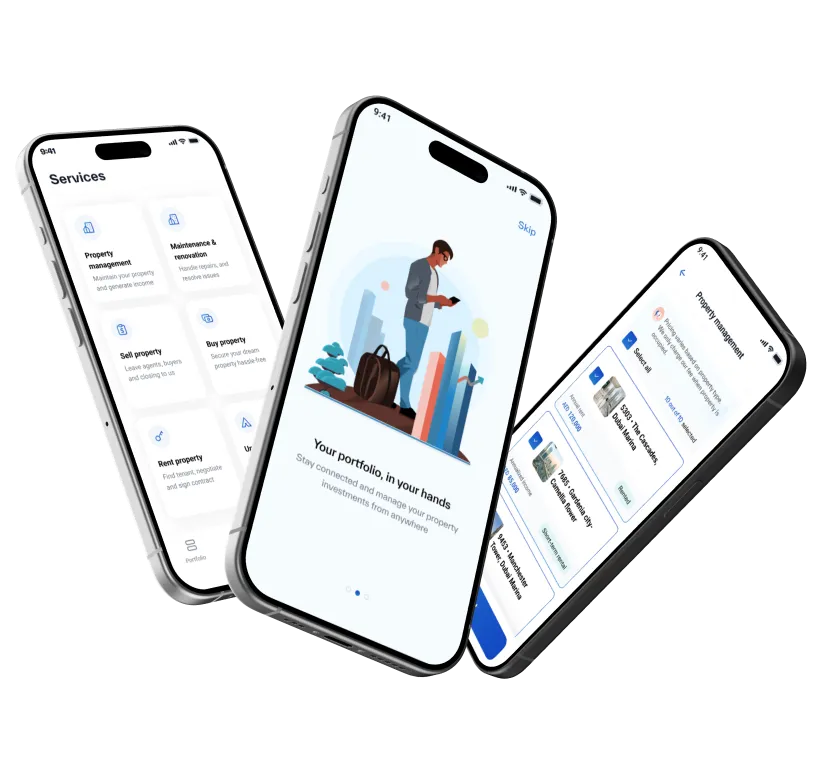
In this guide, we’ll explore what property management software is, its key features, benefits, things to consider when choosing a solution, and how it can help both seasoned professionals and new landlords manage properties more effectively.
What Is Property Management Software?
Property management software is a digital platform designed to automate and centralize everyday tasks related to managing property portfolios. It replaces manual processes such as spreadsheets, paper files, and disconnected systems with a unified interface that streamlines property operations.
At its core, this system helps property owners and managers handle:
Tenant information and lease details
Rent collections and financial records
Maintenance requests and scheduling
Communication with residents and stakeholders
Performance reporting and analytics
By bringing all these capabilities into one system, property management software enables teams to work faster, reduce errors, and stay on top of their responsibilities.
Why Property Management Software Is Essential
Managing properties manually can be challenging — especially as portfolios grow. Without the right tools, vital tasks can slip through the cracks, leading to delayed rent payments, frustrated tenants, and poor financial oversight.
Property management software addresses these challenges by:
Streamlining Operations
Instead of juggling multiple spreadsheets or paper records, everything related to your properties is stored in one secure digital platform. This allows fast access to data and reduces duplication of work.
Improving Accuracy
Automated processes minimize human error. Lease dates, financial figures, and tenant records remain consistent and up‑to‑date, reducing disputes and confusion.
Enhancing Tenant Satisfaction
Today’s renters expect efficient communication and quick responses to maintenance issues. Property management software supports automated notifications, shared portals, and organized service tracking — helping teams respond faster and more professionally.
Supporting Growth
Whether you manage a handful of units or thousands of properties, the software scales with your needs. It adapts to more listings, more users, and more tasks without overwhelming your team.
Key Features of Property Management Software
Not all systems are the same, but most modern property management software includes several core features that help simplify operations.
1. Tenant and Lease Management
This feature centralizes all tenant records and lease details in one place. It allows users to:
Track lease start and end dates
Monitor rent payment status
Record security deposits
Set up renewal reminders
This ensures that nothing — such as upcoming lease expirations — is missed.
2. Financial Management and Reporting
Financial tools are essential for every property manager. A good system handles:
Rent invoicing and collection
Expense tracking
Budgeting
Detailed financial reporting
These features help managers stay in control of cash flow and financial performance.
3. Maintenance Request Tracking
Maintenance requests can be submitted and tracked through the software. This includes:
Creating and assigning work orders
Scheduling service visits
Tracking progress and completion
Recording maintenance history
This improves response time and ensures accountability.
4. Communication Tools
Many platforms include internal messaging or notifications to keep tenants and owners informed. This helps ensure clarity and professional communication across all parties.
5. Analytics and Dashboards
A central dashboard gives managers a snapshot of important metrics — like occupancy rates, rental income, unpaid balances, and upcoming renewals — in real time. Analytics help teams make data‑driven decisions.
Benefits of Using Property Management Software
When implemented properly, property management software delivers clear advantages:
Time Savings
Automating recurring tasks frees up time that would otherwise be spent on manual reporting, data entry, and administrative follow‑ups.
Better Financial Control
With built‑in accounting tools and payment tracking, property owners gain real‑time financial insights and accurate reporting.
Improved Accountability
Maintenance, lease supervision, and tenant communication are all tracked systematically, reducing misunderstandings and service delays.
Scalability and Flexibility
As your portfolio grows, the software adapts. Adding new properties or users doesn’t require starting from scratch or learning a new system.
Higher Tenant Retention
Efficient communication, fast maintenance responses, and accurate payment tracking contribute to better tenant satisfaction — which in turn increases retention.
Choosing the Right Property Management Software
With so many options available today, choosing the best solution involves careful consideration. Here are factors that matter most:
Ease of Use
The software should be intuitive and user‑friendly, so your team can start using it quickly. Complex or cluttered interfaces can slow down adoption.
Feature Set and Customization
Make sure the platform includes the tools you need. Customized fields, flexible reporting, and modular add‑ons ensure the software aligns with your workflow.
Integration Capabilities
Your software should connect with essential tools such as accounting platforms, payment gateways, and communication systems. This eliminates double‑entry and keeps data synchronized.
Reliable Support and Training
Good technical support is vital. Look for providers that offer onboarding help, training resources, and responsive customer service.
Security and Data Protection
Your system holds sensitive tenant and financial information, so it should include strong security features like encryption, backups, and access controls.
Best Practices for Implementing Property Management Software
Introducing new technology to your operations can be transformative — but only if done thoughtfully. Here are tips to ensure a smooth rollout:
Set Clear Goals
Identify what you want the software to accomplish — such as reducing manual hours, improving rent collections, or enhancing tenant communication.
Train Your Team
Proper training ensures that every user understands how to use the system effectively. Provide hands‑on sessions and reference materials.
Migrate Data Carefully
Accurate data migration is crucial. Clean up old records and validate key information before transferring to the new system.
Monitor Usage and Feedback
Track how your team uses the software and gather feedback. Adjust your implementation process and workflows as needed.
Conclusion
Property management software has become an essential tool for modern real estate management. By centralizing tenant records, automating administrative tasks, and providing meaningful financial insights, this digital solution empowers property owners and managers to work more efficiently and strategically.
From managing leases and maintenance requests to tracking rent and generating reports, property management software transforms how properties are operated — saving time, reducing errors, and enhancing tenant satisfaction. Whether you manage one property or a broad portfolio, adopting the right software improves performance, supports growth, and elevates the overall management experience.