


In the sterile corridors of Birmingham Women's and Children's NHS Foundation Trust, a young man named James Stokes moves with quiet purpose. His smart shoes whisper against the floor as he acknowledges colleagues—some by name, others with the universal currency of a "how are you."

James carries his identification not merely as an employee badge but as a testament of belonging. It sits against a pressed shirt that betrays nothing of the tumultuous journey that led him to this place.
What distinguishes James from many of his colleagues is not obvious to the casual observer. His presence discloses nothing of the fact that he was among the first participants of the NHS Universal Family Programme—an undertaking crafted intentionally for young people who have spent time in care.
"It felt like the NHS was putting its arm around me," James explains, his voice steady but tinged with emotion. His observation summarizes the core of a programme that aims to revolutionize how the vast healthcare system perceives care leavers—those frequently marginalized young people aged 16-25 who have transitioned from the care system.
The numbers tell a troubling story. Care leavers frequently encounter poorer mental health outcomes, money troubles, shelter insecurities, and lower academic success compared to their peers. Beneath these impersonal figures are personal narratives of young people who have traversed a system that, despite good efforts, frequently fails in providing the nurturing environment that shapes most young lives.
The NHS Universal Family Programme, initiated in January 2023 following NHS England's pledge to the Care Leaver Covenant, represents a profound shift in systemic approach. Fundamentally, it accepts that the entire state and civil society should function as a "communal support system" for those who haven't experienced the stability of a traditional family setting.
Ten pathfinder integrated care boards across England have led the way, establishing structures that rethink how the NHS—one of Europe's largest employers—can extend opportunities to care leavers.
The Programme is thorough in its approach, initiating with comprehensive audits of existing practices, establishing oversight mechanisms, and securing senior buy-in. It understands that successful integration requires more than good intentions—it demands practical measures.
In NHS Birmingham and Solihull ICB, where James found his footing, they've developed a reliable information exchange with representatives who can offer help and direction on mental health, HR matters, recruitment, and equality, diversity, and inclusion.
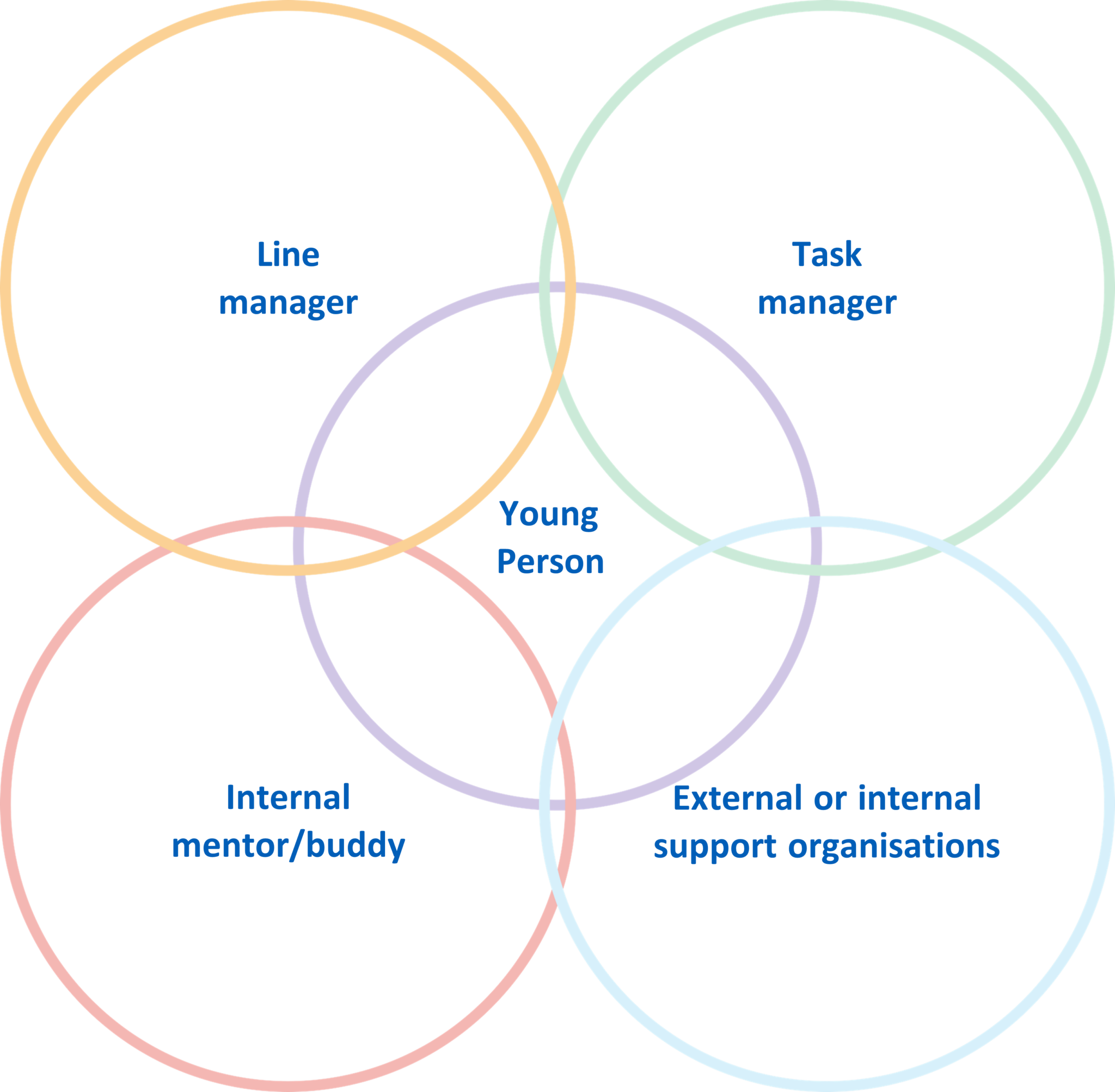
The traditional NHS recruitment process—formal and often daunting—has been intentionally adjusted. Job advertisements now focus on personal qualities rather than long lists of credentials. Application procedures have been reimagined to address the particular difficulties care leavers might encounter—from not having work-related contacts to facing barriers to internet access.
Perhaps most significantly, the Programme recognizes that beginning employment can pose particular problems for care leavers who may be navigating autonomy without the support of familial aid. Concerns like commuting fees, personal documentation, and banking arrangements—considered standard by many—can become substantial hurdles.
The beauty of the Programme lies in its attention to detail—from explaining payslip deductions to providing transportation assistance until that essential first salary payment. Even ostensibly trivial elements like break times and workplace conduct are thoughtfully covered.
For James, whose professional path has "changed" his life, the Programme provided more than employment. It gave him a feeling of connection—that intangible quality that grows when someone senses worth not despite their past but because their unique life experiences improves the organization.
"Working for the NHS isn't just about doctors and nurses," James comments, his eyes reflecting the modest fulfillment of someone who has secured his position. "It's about a community of different jobs and roles, a family of people who really connect."
The NHS Universal Family Programme embodies more than an employment initiative. It exists as a strong assertion that organizations can change to welcome those who have navigated different paths. In doing so, they not only alter individual futures but enhance their operations through the unique perspectives that care leavers provide.
As James navigates his workplace, his involvement subtly proves that with the right assistance, care leavers can flourish in environments once thought inaccessible. The arm that the NHS has extended through this Programme represents not charity but appreciation of untapped potential and the fundamental reality that everyone deserves a community that believes in them.


