

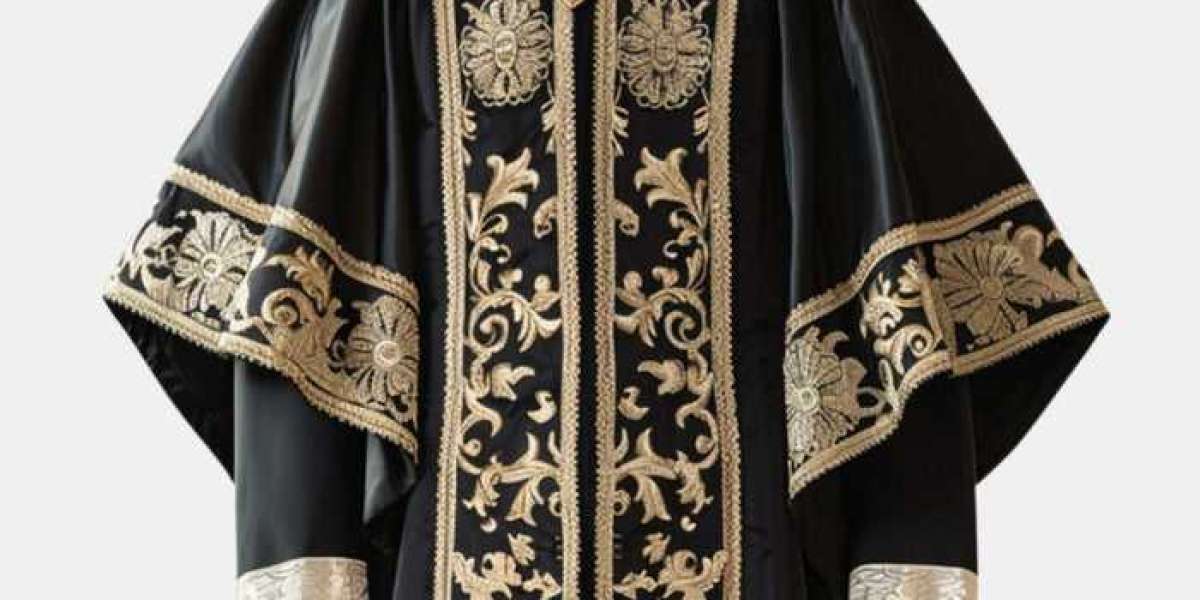
Priest vestments Catholic face daily wear, accidental stains, and fabric damage if not handled correctly. Many clergy struggle with maintaining the color, embroidery, and shape of their garments over time. The solution is careful care and planning. By storing properly, cleaning gently, and following material-specific instructions, clergy can prevent damage.
Well-maintained vestments not only look polished but also reflect the respect and professionalism required for sacred duties. Regular attention ensures that every Mass and ceremony keeps its sense of reverence while preserving the beauty of clerical clothing.
Understanding Fabrics for Lasting Wear
Vestments come in silk, brocade, wool, and high-quality polyester blends. Each fabric has unique care needs. Silk requires gentle washing or dry cleaning, while wool benefits from light brushing. Clerical clothing often includes delicate embroidery, metallic threads, or trims. Handling these details carefully prevents fraying and fading. Understanding the material is key, especially when caring for priest vestments Catholic, because it ensures proper cleaning, safe storage, and balanced rotation. Proper fabric care preserves both the look and the sacred significance of these garments.
Smart Storage to Extend Life
Proper storage prevents creases, stretching, and color fading. Hang robes on padded hangers and store surplices, chimeres, and other clerical clothing in breathable garment bags. Avoid plastic covers that trap moisture. Keep garments in a cool, dry space away from sunlight to preserve colors and metallic threads. Organizing by size, type, or liturgical season helps with preparation. Thoughtful storage protects vestments, ensures quick access, and maintains a polished and professional appearance.
Gentle Cleaning Practices
Cleaning priest vestments Catholic requires precision. Treat small stains immediately by blotting, not rubbing. Use professional dry cleaning for delicate or embroidered garments. Wash washable fabrics with mild detergent and cold water to avoid shrinking or fading. Regular inspections for loose threads or frays keep vestments in top condition. Clean clerical clothing enhances worship, shows respect for sacred duties, and maintains the dignity of clergy in public and church settings.
Wearing and Handling with Care
How clergy handle vestments affects longevity. Slide arms gently into robes, avoid sharp accessories, and be mindful around candles or altar fixtures. Folding or draping incorrectly can create permanent creases. Rotating layers during long ceremonies reduces stress on fabrics. Careful handling preserves both appearance and symbolism. Mindful use ensures priest vestments Catholic remain pristine while demonstrating respect for sacred responsibilities.
Rotating and Giving Vestments Rest
Wearing the same vestment constantly can cause uneven wear and faded colors. Clerical clothing should be rotated to give each piece a rest. Assign garments to specific days or liturgical seasons. Resting helps minor wrinkles relax naturally. A planned rotation system keeps vestments ready for service and preserves both appearance and significance. Regular rotation prevents fabric fatigue and ensures priest vestments Catholic always look their best.
Quick Repairs to Keep Vestments Perfect
Even with careful use, priest vestments Catholic may need repairs. Loose threads, frayed hems, or missing buttons should be fixed immediately. Using matching thread maintains a polished look. Embroidery may require professional attention if damaged. Regular maintenance also includes checking for pests that can harm silk or wool. Timely repairs show commitment to quality, respect for tradition, and care for sacred clothing.
Protecting Embroidery and Decorations
Many vestments include gold or silver threads, trims, and embroidery. Avoid harsh detergents or abrasive handling. Prevent garments from rubbing together in storage. Iron carefully on low heat with a protective cloth over decorations. For heavily decorated garments, professional cleaning is recommended. Preserving these details maintains the dignity and visual appeal of priest vestments Catholic, enhancing the worship experience.
Caring During Travel and Transport
Clergy often travel with vestments for retreats, weddings, or special services. Use padded hangers and garment bags to prevent wrinkles or damage. Roll or fold less delicate items carefully. Avoid placing heavy objects on top. For long trips, plan professional pressing upon arrival. Protecting vestments during travel ensures clergy appear dignified and ready for every ceremony.
Long-Term Preservation Tips
Clean and store vestments immediately after use. Avoid sunlight, moisture, and pests. Rotate garments and check for minor repairs regularly. For ornate or antique vestments, consider professional preservation. Document manufacturer care instructions. Following these steps ensures priest vestments Catholic remain functional, visually impressive, and symbolically meaningful for years. Well-maintained clerical clothing allows clergy to serve confidently while preserving tradition, quality, and devotion. At eClergy, we provide high-quality vestments and guidance that help clergy honor both their faith and the garments they wear with dignity.
Conclusion: Keep Your Vestments Sacred and Ready
Caring for priest vestments Catholic is essential for longevity and respect. Cleaning, storing, handling, rotating, and repairing ensure every garment remains in top condition. Clerical clothing is not just functional; it represents faith, tradition, and professionalism. Thoughtful care honors both the craftsmanship of the vestments and the sacred duties performed in them. Proper maintenance keeps priest vestments Catholic ready for every service, connecting daily preparation with reverence, devotion, and dignity.


