


Minimalist house design transcends mere aesthetics to turn into a complete way of life alternative rooted in simplicity, performance, and conscious living. This design philosophy emphasizes clear lines, uncluttered spaces, and purposeful use of supplies, supplies that adjust to trendy constructing codes while enhancing each form and function. By integrating minimalist ideas, householders can unlock a variety of benefits similar to growing property value, lowering upkeep costs, and improving total living quality via enhanced spatial efficiency and natural gentle utilization.
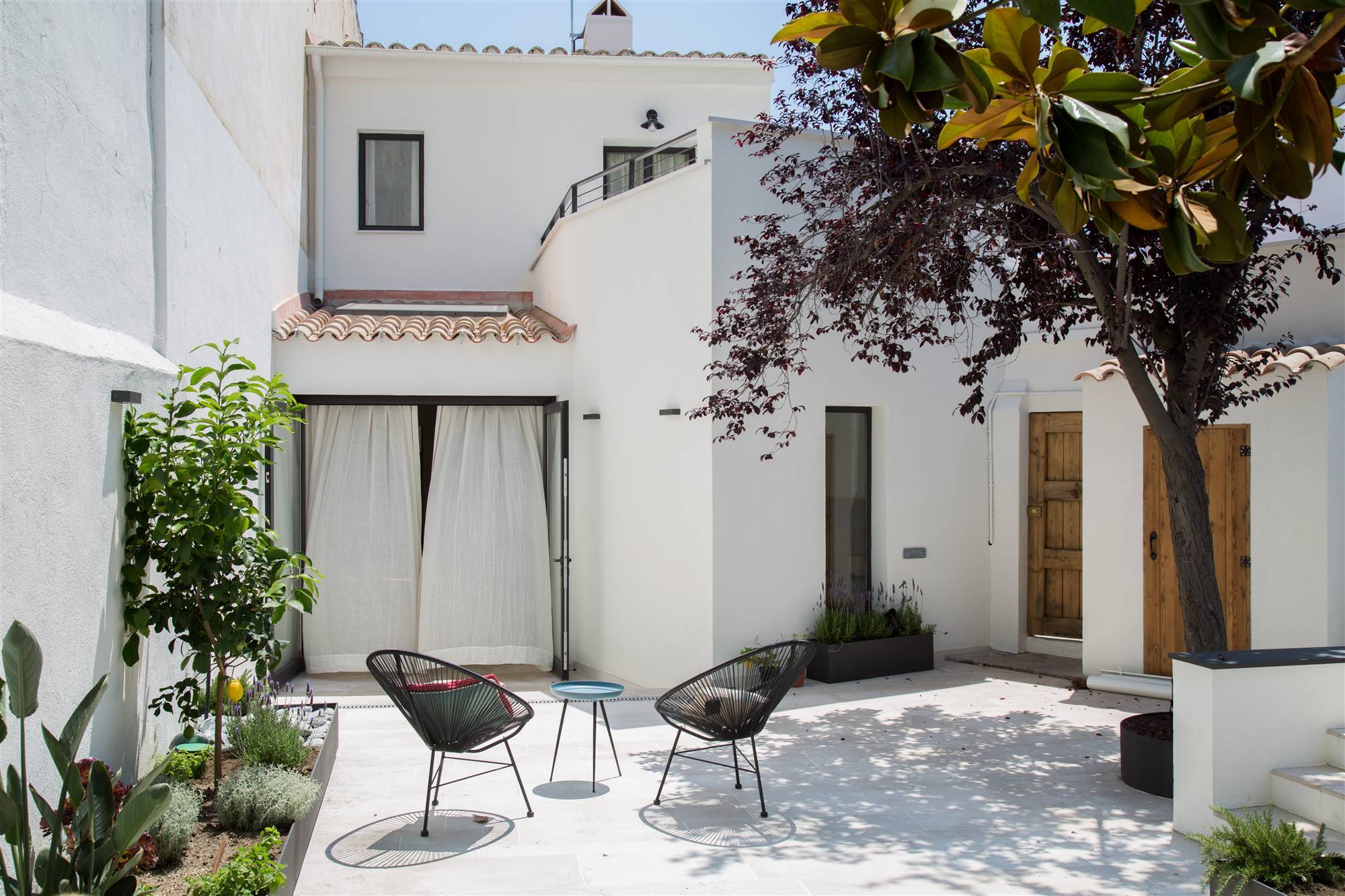
Core Principles of Minimalist Home Design
Understanding the foundational parts of minimalist house design is crucial to understand its transformative potential. At its heart, minimalism focuses on essentialism—removing the superfluous to focus on what really issues in each structure and residing experience.
Form Follows Function: Prioritizing Purpose in Every Element
Minimalist design adheres strictly to the principle that each design choice serves a perform. This concept aligns with the architectural tenet "form follows function", ensuring that aesthetics by no means overshadow usability. From custom cabinetry with hidden storage to multifunctional furnishings, this approach reduces wasted area and streamlines the home’s utility whereas stopping the chaos that arises from unnecessary décor. The result's less litter and a significant discount in maintenance, immediately impacting long-term prices and upkeep effort.
Use of Space: Maximizing Efficiency Through Intelligent Layouts
Spatial efficiency distinguishes minimalist houses from typical residences. Open floor plans, intentional zoning, and elimination of redundant walls promote fluid circulation and flexible room usage. This strategy conforms to building codes that handle egress and security with out compromising the aesthetic openness of the design. Efficient use of area not only enhances consolation but also increases the perceived size of the dwelling, which is usually a vital promoting point for growing market worth.
Materiality: Choosing Quality and Sustainability
Minimalism favors natural, durable supplies that age gracefully. Choices like sustainably sourced hardwoods, polished concrete, and matte finishes on metal or glass not only present a timeless look but additionally satisfy stringent constructing requirements regarding structural integrity and environmental impact. The number of such materials interprets into durability and reformas Residenciais Planejadas lower substitute costs over time, thus conferring monetary benefits alongside aesthetic ones.
Color and Light: Creating Atmosphere Through Restraint
The minimalist palette leans heavily on impartial tones—soft whites, greys, and earth hues—that enhance ambient lighting and visually expand interiors. Properly harnessed natural and artificial mild sources drive power efficiency and promote wellness. Building codes usually require minimum pure gentle levels in residing areas, which minimalist layouts fulfill naturally. Using light as a design device can dramatically affect temper and productivity, a crucial benefit for homeowners in search of a tranquil, organized surroundings.
Having established the guiding ideas behind minimalist residence design, reformas Residenciais the following section explores how these ideas enhance lifestyle quality and financial outcomes, making minimalism a practical alternative beyond its aesthetic attraction.
Benefits of Minimalist Home Design: Enhancing Quality of Life and Economic Value
Minimalist home design is enticing not just for its visual magnificence however for its tangible benefits that resonate with a broad range of homeowners—from younger professionals to downsizing retirees. This part particulars the multifaceted advantages, Reformas Pequenas each substantiated by the interaction between design decisions and building practices.
Improved Mental Wellbeing Through Environmental Clarity
Excessive litter can contribute to emphasize and cognitive overload. By minimizing possessions and spatial complexity, minimalist environments create a sanctuary that fosters calmness and psychological readability. This psychological benefit is increasingly acknowledged in research linking environmental design with mental well being outcomes. For homeowners, the payoff is a day by day sense of ease and improved focus, making minimalism a sustainable lifestyle funding.
Reduced Maintenance and Cleaning Effort
With fewer surfaces to dust, simpler traces to wash, and less furnishings to manage, minimalist houses drastically cut back the money and time spent on repairs. The specification of sturdy, low-maintenance materials also enhances this profit. From the perspective of long-term cost savings, this translates into lower working expenses and fewer frequent renovations—key components in protecting home equity.
Higher Energy Efficiency and Sustainability
Minimalism helps sustainable living by encouraging pure heating, cooling, and lighting strategies, which align with constructing codes designed to enhance energy efficiency. Efficient spatial layouts cut back sq. footage and the energy required to maintain comfortable indoor circumstances. Integrating energy-efficient home windows, thermal insulation, and passive solar design can decrease utility bills, growing the overall affordability of homeownership.
Increased Market Value Through Timeless Appeal
Minimalist design attracts a wide market segment due to its common attraction and adaptability, permitting consumers to extra easily envision their own type. Real estate professionals acknowledge minimalist houses for his or her clear presentation and maintained condition—factors that improve resale prospects. Investments in high-quality materials and thoughtful layouts provide measurable returns by enhancing each curb enchantment and interior desirability.
Shifting focus from advantages to obstacles, the following section addresses widespread challenges householders face when implementing minimalist home design and how to strategically overcome them.
Overcoming Challenges in Implementing Minimalist Home Design
Despite its advantages, transitioning to minimalist residence design can be daunting as a end result of ingrained habits, spatial limitations, and potential misunderstandings of the idea. Awareness of those challenges and proactive options can guarantee successful initiatives that deliver on minimalist guarantees.
Managing Emotional Attachment and Decluttering
The process of decreasing possessions requires confronting emotional ties to belongings. This psychological hurdle can delay progress or result in incomplete implementation. Strategies similar to gradual decluttering, categorizing gadgets by necessity, and fascinating professional organizers assist mitigate resistance. Clear goal-setting tied to desired lifestyle enhancements strengthens dedication, linking emotional effort to concrete rewards like improved spatial harmony and psychological readability.
Balancing Minimalism With Comfort and Practicality
Minimalism does not prescribe austerity or discomfort. A major concern is preserving warmth and livability whereas stripping away extra. This stability requires strategic furniture choices, layering of textures, and incorporation of functional equipment that meet human wants without litter. Adhering to ergonomic standards and integrating sensible residence applied sciences improve comfort, making certain the house stays inviting and adaptive to on a daily basis activities.
Adhering to Building Codes and Safety Considerations
Designing with minimalism must not ever circumvent regulatory requirements. Architects and contractors must ensure compliance with hearth security codes, air flow requirements, and structural integrity mandates while sustaining minimalist aesthetics. For instance, open spaces necessitate applicable exit routes and fire-resistant supplies, and natural gentle necessities demand window sizing inside code parameters. Engaging professionals versed in both minimalism and native codes ensures safe and legally compliant outcomes.
Customizing Minimalist Design to Different Climates and Cultures
Minimalist rules are universal but should adapt to regional conditions. Climate influences choices on insulation, shading, and air flow, whereas cultural preferences have an effect on materials choice and spatial organization. Successful minimalist design integrates these variables, using passive design strategies tailored to the setting and respecting cultural expressions within a simplified framework. This adaptability enhances occupant satisfaction and aligns with sustainable practices.
With a radical understanding of challenges and adaptive methods, it’s crucial to discover the practical elements concerned in executing minimalist house design via building and renovation phases.
Execution of Minimalist Home Design: Construction, Renovation, and Material Selection
Implementing minimalist residence design demands precise planning, coordination with building professionals, and considered selection of supplies and finishes that fulfill each practical and aesthetic criteria whereas abiding by building codes.
Design and Planning: Working with Professionals to Realize Minimalism
Collaborating carefully with architects and inside designers skilled in minimalism is important. Detailed schematic drawings, together with spatial flow analysis and natural mild modeling, allow for optimization earlier than development begins. Early coordination with local building inspectors ensures compliance and prevents costly changes. Incorporating Building Information Modeling (BIM) and 3D visualization can clarify design intent and assist purchasers align expectations with outcomes.
Material Selection: Durability, Aesthetics, and Compliance
Selecting supplies which may be both visually clean and reformas pequenas structurally sound is critical. Underneath the minimalist facade, materials must meet efficiency requirements such as fireplace resistance, load-bearing capacity, moisture control, and indoor air high quality. Examples embody steel framing with fireproof coatings, low-VOC paints, engineered wood merchandise, and polished concrete flooring. This mixture secures security, sustainability, and timeless design.
Construction Techniques: Precision and Simplicity in Build Quality
Minimalist design thrives on precision: tight joints, flush installations, and hid systems. Contractors must undertake construction strategies that forestall imperfections from disrupting clean lines—such as seamless drywall finishes and integrated hardware methods. Prefabrication and modular development can improve consistency and scale back waste. These approaches shorten build occasions, lower labor costs, and maintain aesthetic integrity.
Lighting and Fixtures: Integrating Minimalism with Functionality
Optimal lighting design balances pure and synthetic sources to maintain up a brilliant, open feel without visible noise. Recessed lighting, slim-profile fixtures, and concealed wiring systems help minimalist goals whereas meeting electrical codes. Energy-efficient LED technology reduces power consumption and upkeep. Fixtures, together with taps and handles, are chosen for streamlined form and tactile high quality, enhancing the sense of curated simplicity.
Having navigated the practicalities of execution, concluding with a synthesis of key insights positions readers to behave confidently in pursuing minimalist house design.
Summary and Actionable Next Steps for Embracing Minimalist Home Design
Minimalist house design is greater than a style—it is a strategic strategy that harmonizes aesthetics, function, and regulation to enhance residing high quality whereas enhancing long-term financial value. Its core ideas of purposeful simplicity, spatial effectivity, and aware materiality present a framework able to adapting throughout climates, cultures, and life. The benefits vary from improved psychological wellbeing and decrease upkeep costs to energy efficiency and higher resale worth.

Challenges similar to emotional attachment and code compliance require informed methods, together with collaboration with specialists and diligent planning. Successful building hinges on cautious materials selection, reformas Pequenas exact strategies, and built-in lighting options that preserve minimalist integrity.

To embark on minimalist house design:
- Assess your current space and establish muddle hotspots and inefficient areas.
- Consult with architects specializing in minimalist design to discover spatial reconfigurations that meet your way of life and native rules.
- Plan a phased decluttering process to align emotional readiness with sensible objectives.
- Select supplies and finishes prioritizing durability, environmental impact, and visual simplicity.
- Engage licensed contractors familiar with minimalist building strategies and native codes.
- Incorporate energy-efficient systems together with lighting, HVAC, and insulation to minimize back long-term operational prices.
By following these steps with expert guidance, homeowners can notice the profound benefits minimalist home design provides, creating spaces that are not only beautiful and timeless but in addition environment friendly, sustainable, and profoundly restorative.


