Effective lighting design serves as a cornerstone in architectural and interior areas, instantly impacting functional performance, aesthetic attraction, and occupant well-being. It transcends mere illumination by tailoring gentle to enrich architectural forms, optimize visible comfort, and affect psychological responses. Thoughtful lighting design reduces power consumption, heightens safety, enhances property worth, and significantly improves the standard of life within residential and business environments.
The Fundamentals of Lighting Design: Concepts and Key Principles
Understanding the core ideas of lighting design establishes the inspiration for creating areas that harmonize gentle and structure. This section dissects important ideas, explaining how they clear up widespread points such as visual pressure, reformas Pequenas energy inefficiency, and spatial disorientation.
Light Types and Their Functional Roles
Lighting in any well-designed surroundings depends on the strategic integration of ambient, task, and accent lighting. Ambient lighting offers uniform illumination needed for basic visibility and security. Task lighting helps particular activities like reading or cooking, ensuring clarity and minimizing shadows that trigger eye fatigue. Accent lighting highlights architectural options or artwork, including depth and visual interest to an area. Understanding the interaction of these sorts prevents beneath or over-lighting, leading to power financial savings and enhanced occupant consolation.
Color Temperature and Its Psychological Impact
Color temperature, measured in Kelvin (K), profoundly influences mood and alertness. Cool white gentle (4000K-5000K) promotes concentration and is right for workspaces, whereas warm white mild (2700K-3000K) creates a cozy ambiance suitable for residential areas. Leveraging applicable shade temperatures helps balance circadian rhythms, cut back stress, and improve sleep high quality, thereby enhancing overall well-being.
Understanding Light Distribution and Beam Angle
Light distribution affects both the uniformity and efficacy of illumination. Wide beam angles disperse mild for general coverage, whereas slender beams focus illumination onto particular points or objects. Proper beam angle choice counters problems like glare, shadows, and hotspots. Adhering to design standards outlined within the IES (Illuminating Engineering Society) recommendations ensures optimal visual environments.
Illuminance Levels: Balancing Adequate Light and Energy Efficiency
Illuminance, expressed in lux, reformas pequenas describes the depth of light hitting a floor. Building codes and standards specify minimal illuminance for numerous spaces to enhance safety whereas preventing wasteful over-lighting. Navigating between these thresholds requires precision to reduce back electricity consumption, lower operational costs, and preserve compliance with local laws.
Applying Lighting Design to Solve Common Architectural Challenges
Beyond principle, lighting design addresses real-world architectural challenges that influence operate, aesthetics, and occupant expertise. Illuminating this relationship reveals how sound lighting practices can improve property value and create resilient, adaptable environments.
Maximizing Natural Light Integration for Energy Savings
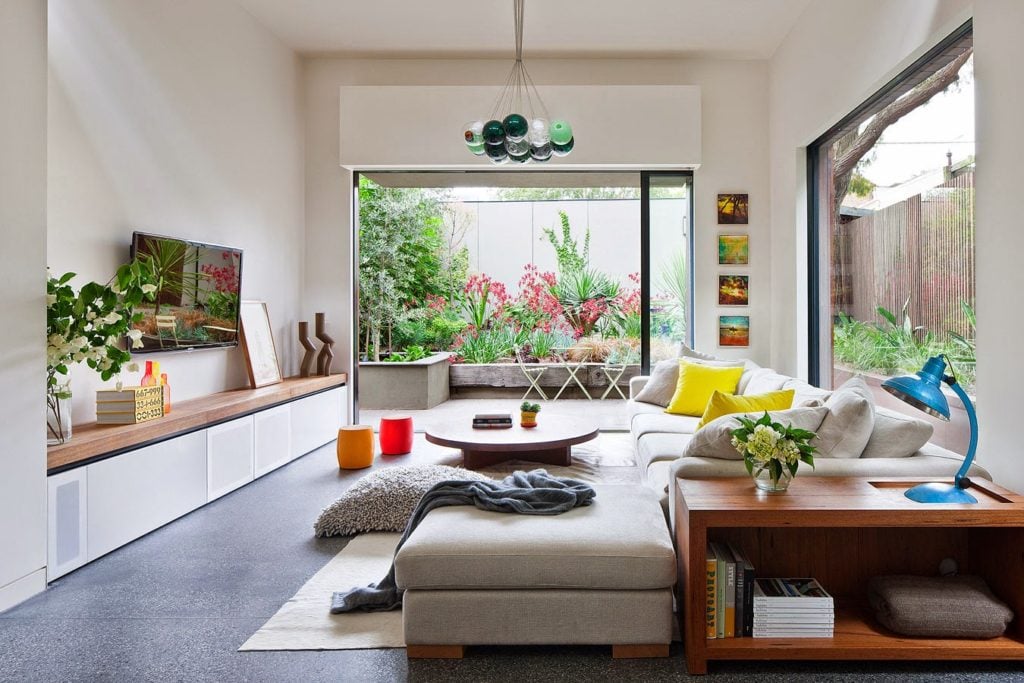
Integrating daylight with synthetic lighting creates energy-efficient areas. Effective daylighting strategies involve designing with window orientation, shading units, and reflective surfaces to harness natural gentle while stopping extra warmth acquire or loss. Automated daylight sensors and dimming controls regulate synthetic mild in live performance with daylight availability, lowering electricity payments and enhancing indoor air quality by supporting circadian rhythms.
Controlling Glare and Enhancing Visual Comfort
Excessive glare causes discomfort, reduces productivity, and may even pose well being dangers. The answer lies in employing diffused lighting, oblique fixtures, and adjustable luminaires to soften harsh contrasts. Incorporating correct mild fixture placement, anti-glare screens, and shading elements ensures visual consolation crucial in workplaces, healthcare environments, and dwelling areas.
Lighting for Safety and Security in Residential and Commercial Settings
Illuminating pathways, entrances, and parking areas with uniform, well-distributed lighting deters criminal exercise and prevents accidents. Motion sensors and smart lighting methods optimize security whereas minimizing power waste. Ensuring compliance with security codes just like the NFPA (National Fire Protection Association) and ADA (Americans with Disabilities Act) lighting necessities is crucial for legal responsibility mitigation and occupant protection.
Enhancing Architectural Features Through Lighting
Lighting can sculpt structure, accentuating textures, materials, and structural components. Wall grazing, uplighting, and shadow play add drama and sophistication, growing a property’s marketability. This artistic software addresses the problem of making spaces memorable and distinctive, a vital consider competitive real estate markets.
Advanced Technologies and Innovative Solutions in Lighting Design
The evolution of lighting technology offers designers powerful tools to handle long-standing issues and meet modern expectations for sustainability, flexibility, and intelligence.
LED Lighting: Efficiency and Longevity
Light-emitting diode (LED) know-how revolutionizes lighting with superior energy efficiency, extended lifespan, and considerably reduced maintenance. LEDs emit much less warmth, improving thermal management and safeguarding delicate interiors. Their versatility supports tunable white and color-changing purposes, aligning with evolving architectural aesthetics and occupant needs.
Smart Lighting Systems and Controls
Smart lighting integrates sensors, timers, and connectivity to dynamically regulate gentle primarily based on occupancy, pure mild presence, and time of day. This adaptability reduces vitality costs dramatically and permits personalised lighting situations that enhance consolation and productivity. Integrating with IoT platforms, sensible lighting contributes to comprehensive building automation, aligning with LEED (Leadership in Energy and Environmental Design) and WELL Building Standards.
Human-Centric Lighting and Health-Driven Design
Human-centric lighting (HCL) focuses on aligning indoor illumination with biological and psychological human needs. By regulating depth and spectrum to simulate natural daylight patterns, HCL helps alertness in the course of the day and restful sleep at night time, crucial for workplaces, healthcare facilities, and residential environments. Applying this concept addresses common problems associated to fatigue, mood issues, and basic discomfort.
Daylight Harvesting and Integration Technologies
Daylight harvesting applied sciences employ sensors and automated controls to maximize natural gentle use. Coupled with architectural design components corresponding to mild cabinets and reflective surfaces, these systems minimize reliance on synthetic mild, decreasing operational bills and carbon footprint. This know-how aligns with sustainability mandates and contributes to green constructing certifications.
Lighting Design Codes, Standards, and Compliance
Adhering to building codes and industry standards is non-negotiable for reaching compliant, protected, and efficient lighting systems. This section presents an authoritative overview of the crucial guidelines and their utility.
International and National Building Codes Governing Lighting
Codes such because the International Building Code (IBC) and nationwide electrical codes dictate minimum necessities for lighting in numerous occupancies. These embody mandated illuminance ranges, emergency lighting provisions, and energy effectivity criteria. Non-compliance leads to increased danger, legal liability, and potential project delays. Understanding these frameworks ensures seamless approvals and long-term operability.
Occupational Safety and Health Administration (OSHA) Guidelines
OSHA specifies lighting requirements to keep up safe work environments, minimizing accidents and occupational hazards. These include glare limits, minimum light intensities for various industrial tasks, and emergency egress lighting. Proper design reduces worker fatigue and boosts productiveness while mitigating regulatory penalties.
Energy Codes and Green Building Certifications
Programs like ASHRAE 90.1, ENERGY STAR, and LEED establish vitality efficiency benchmarks that shape lighting design decisions. They incentivize the utilization of environment friendly fixtures, controls, and daylight integration to lower vitality consumption. Incorporating these requirements will increase a property's market appeal and reduces operating costs, delivering sustainable worth to house owners.
Accessibility Standards Impacting Lighting Design
The ADA and associated accessibility guidelines require lighting to facilitate protected navigation and unbiased use by individuals with disabilities. This consists of consistent illumination of pathways, visible contrasts, and avoidance of flicker. Meeting these criteria broadens inclusivity, meets authorized mandates, and reformas pequenas future-proofs the building’s usability.
Design Strategies to Optimize Lighting Performance and Costs
Balancing lighting high quality with budgetary constraints and operational effectivity stays paramount. Focused strategies enable designers and builders to deliver high-performance techniques that maximize return on investment.
Layered Lighting Design for Flexibility and Efficiency
Combining multiple lighting layers permits tailored illumination for various makes use of and times of day, stopping vitality waste. Zoning lighting circuits and using dimmers empowers occupants to manage lighting levels, enhancing satisfaction and lowering prices.
Fixture Selection Based on Application and Maintenance Considerations
Choosing fixtures with applicable optics, finishes, and ingress safety ratings is essential for durability and efficiency. Long-lasting fixtures and easy-to-maintain designs decrease life cycle costs and system downtime, driving operational effectivity.
Lighting Simulation and Modeling Software
Advanced software program instruments like DIALux and Relux enable precise prediction of lighting conduct, making certain compliance and design efficacy earlier than installation. This preemptive validation avoids expensive adjustments, optimizes material use, and enhances consumer confidence.
Integration with Architecture and Interior Design Elements
Harmonizing lighting fixtures with architectural varieties and finishes reinforces design coherence. Embedding lighting into ceilings, walls, and furniture reduces visible muddle while bettering ambient quality and enhancing spatial notion, translating to elevated market value.
Summary and Practical Next Steps in Lighting Design Implementation
Lighting design is a multifaceted self-discipline that considerably uplifts area quality, occupant well being, safety, and operational effectivity. Mastering its core principles—such as layering gentle types, respecting colour temperature, and harnessing pure light—yields environments which are both practical and inspiring. Embracing superior technologies like LEDs and good controls drives sustainability and value financial savings. Rigid adherence to codes ensures security, compliance, and accessibility, protecting investments and occupants alike.
To transfer ahead effectively, begin by conducting a complete lighting audit of your area, identifying present deficiencies and opportunities. Engage with lighting professionals skilled in integrating code requirements with human-centric and energy-efficient solutions. Prioritize installing scalable good controls to future-proof your design. Finally, leverage lighting simulation tools to validate concepts before implementation, ensuring a seamless and rewarding lighting improve that maximizes property value and elevates living or reformas pequenas working experiences.