


The Mediterranean renovation style provides a novel blend of timeless elegance, functional design, and cultural richness that transforms residential areas into warm, inviting homes reflecting the sun-soaked areas of Southern Europe. Embracing this type is not simply about aesthetic enchantment; it intricately weaves collectively architectural ideas, sustainable materials decisions, and spatial planning that respond successfully to homeowners’ wishes for consolation, durability, and elevated property worth. A Mediterranean renovation invigorates areas with its attribute textures, natural colors, and structural options whereas resolving common issues corresponding to inefficient climate management, outdated layouts, and poor indoor-outdoor integration.
Core Characteristics of Mediterranean Renovation Style
Understanding the elemental options of the Mediterranean renovation style is crucial to executing a design that is each genuine and functional. These characteristics are greater than decorative—they provide options to environmental challenges, improve living comfort, and elevate the market enchantment of the property.
Architectural Elements Defining Mediterranean Style
Key architectural features corresponding to stucco walls, red clay tile roofs, and arched doorways create a visually distinct and structurally sound environment. Stucco, sometimes composed of lime plaster, offers durability and wonderful climate resistance, naturally regulating indoor temperatures by reflecting heat, thus reducing cooling costs in warm climates. The iconic terracotta roof tiles not only present longevity and resistance to the weather but also contribute to improved water runoff management, protecting the house's foundation from moisture injury via efficient drainage.
Arches and wrought iron accents add each decorative value and structural integrity, distributing loads in doorways and windows while supplying an ethereal, open really feel that reduces the perception of confined areas.
Textural and Material Palette
A Mediterranean renovation strategically uses natural materials such as stone, wrought iron, wood, and ceramic tiles, emphasizing texture and tactile expertise. The frequent use of textured partitions, uncovered beams, and stone fireplaces brings character and heat that resonate with the region’s rustic origins. These materials enhance indoor air quality by avoiding synthetic finishes, promote longevity beneath various weather conditions, and reduce upkeep demands.
Ceramic and terracotta tiles serve each decorative and practical functions by providing cool surfaces underfoot, which is helpful in scorching weather. Their sturdiness helps high-traffic areas, lowering renovation recurrence and contributing to long-term value financial savings.
Color Schemes and their Psychological Impact
Mediterranean renovations sometimes incorporate a palette of earthy tones similar to ochres, heat beige, terracotta, and deep blues. These colours are carefully chosen for their calming psychological results, selling relaxation and a way of well-being. Incorporating natural hues aligned with sun, sea, and earth connects residents emotionally with their environment, enhancing the overall quality of living spaces.
Such palettes also have the extra advantage of harmonizing well with outside landscaping parts, reinforcing continuity between indoor and outside environments and fostering a seamless mix that enhances property aesthetics.
Design Principles Guiding Mediterranean Home Renovations
Moving past style parts, the design principles behind Mediterranean renovations concentrate on spatial flow, climate responsiveness, and cultural relevance. These principles clear up sensible challenges corresponding to inefficient layouts, overheating, and poorly built-in outside areas, resulting in homes that are both beautiful and useful.
Indoor-Outdoor Connectivity and Open Floor Plans
Mediterranean renovations prioritize fluid indoor-outdoor residing via the use of patios, loggias, courtyards, and terraces. This strategy leverages natural ventilation and sunlight, decreasing dependence on mechanical techniques and enhancing vitality efficiency. Open flooring plans maximize spatial move while offering flexible usage—a characteristic highly appreciated in modern life.
This design principle addresses the widespread pain point of confined interiors by creating expansive but cohesive environments that encourage social interaction and pure gentle penetration, positively impacting psychological well being and vitality prices.
Climate Adaptation Through Architectural Features
Strategies similar to thick stone or stucco partitions, deep eaves, and strategic window placement are inherent to Mediterranean designs to maintain temperature stability. Thick walls provide thermal mass that keeps interiors cool during scorching days and retains warmth throughout cool evenings, decreasing heating and cooling prices. Shaded porches and pergolas defend home windows and outdoor areas from direct solar exposure, minimizing glare and overheating.
Designers incorporate cross-ventilation methods, putting home windows and doorways to harness prevailing breezes, thus enhancing indoor air high quality and comfort without growing utility payments. This thoughtful strategy addresses a big homeowner problem—excessive vitality consumption and discomfort in climates prone to temperature extremes.
Spatial Hierarchy and Cultural Expression
Renovations embracing Mediterranean type usually incorporate traditional spatial hierarchies similar to central courtyards (patios) appearing as focal points that facilitate social interaction, privateness, and pure mild entry. This layout respects historic dwelling patterns whereas adapting to trendy household dynamics by offering multifunctional spaces.
Cultural expression also manifests in ornamental parts like handcrafted tiles, mosaic particulars, and ironwork, providing customization alternatives that appeal to owners in search of uniqueness and authentic craftsmanship. These details not only elevate the aesthetic value but contribute to the home’s long-term desirability and market value.
Construction Considerations and Building Code Compliance in Mediterranean Renovations
Successfully executing a Mediterranean renovation calls for Marcenaria guarulhos thorough understanding of local building codes, material standards, and development methodologies. Compliance is critical not only for authorized reasons but for making certain structural safety, sturdiness, and efficiency over the life of the house.
Structural Adaptations and Seismic Considerations
The heavy use of masonry and stucco finishes must be fastidiously engineered to meet fashionable seismic requirements, particularly in earthquake-prone areas typical of Mediterranean climates. Reinforced concrete framing, steel reinforcements, and engineered shear partitions are often built-in discreetly to maintain aesthetic authenticity without compromising security.
Adhering to seismic codes reduces the risk of structural failure and protects funding, reducing potential post-renovation repair costs and insurance coverage premiums while guaranteeing occupant safety.
Moisture Control and Waterproofing Standards
The Mediterranean aesthetic incorporates many surfaces weak to moisture infiltration, together with stucco and tiled roofs. Proper waterproofing methods and moisture obstacles are crucial to prevent mold growth, materials degradation, and potential indoor air high quality deterioration.
Building codes often dictate minimal necessities for vapor retarders, flashing, and drainage planes. During renovation, pequenas reformas Seguras it is essential to upgrade these systems to present standards to reinforce the building’s resilience, instantly impacting maintenance costs and durability.
Energy Efficiency and Sustainability in Mediterranean Homes
Modern Mediterranean renovations increasingly combine green constructing practices similar to enhanced insulation, energy-efficient windows, and photo voltaic shading units according to the standard type. These upgrades meet vitality codes whereas preserving authentic architectural expression.
Incorporating photovoltaic panels on clay tile roofs, low-E glass, and high-performance HVAC systems not solely lowers vitality consumption and costs but additionally elevates property value by aligning with market trends favoring sustainable features.
Interior Design Strategies Aligned with Mediterranean Renovations
The success of a Mediterranean renovation extends into the interior design decisions that complement and prolong the architectural fashion, improving both practical use and occupant satisfaction.
Furniture and Fixtures: Balancing Authenticity and Modern Comfort
Furniture historically options strong wood frames, natural fibers, and heat earth-toned upholstery, marcenaria guarulhos creating a welcoming ambiance. Incorporating handcrafted items and wrought iron lighting fixtures enhances the authenticity and adds decorative detail, while trendy ergonomic issues ensure consolation and practicality.
This blend addresses two frequent renovation challenges: preserving stylistic integrity with out sacrificing contemporary residing requirements and value.
Lighting Design to Enhance Mood and Function
Natural gentle is maximized by way of window placements and light-weight wells, consistent with Mediterranean design rules. For synthetic lighting, layering ambient, task, and accent lighting using wrought iron chandeliers, sconces, and lantern-style fixtures reinforces the thematic concept while assembly fashionable performance.
Well-planned lighting reduces eye pressure, improves ambiance, and allows homeowners to regulate environments for various actions, increasing dwelling quality and property appeal.
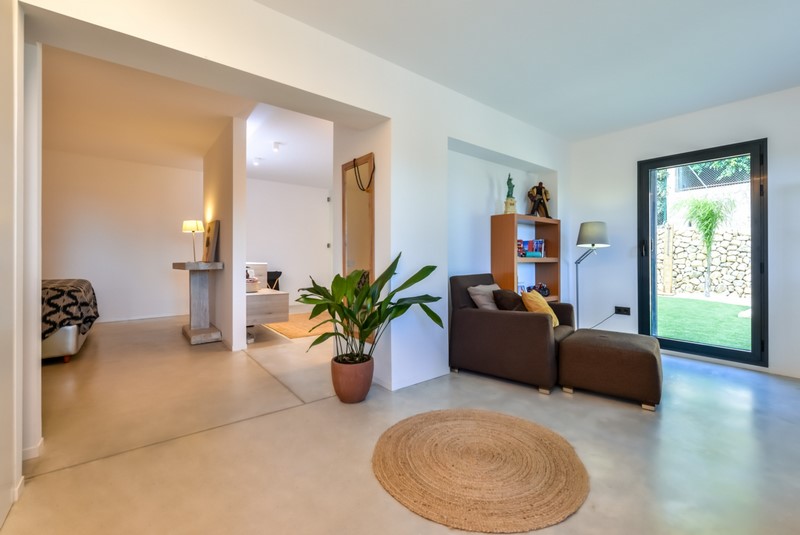
Textiles, Décor, and Color Coordination
Rich, textured textiles corresponding to wool rugs, embroidered cushions, and linen draperies contribute to the tactile warmth attribute of Mediterranean interiors. Color coordination attracts from the exterior palette, creating visible continuity that unites the home under a coherent design language.
Thoughtful décor choices minimize renovation fatigue by pre-emptively harmonizing new and existing parts, that means owners notice quick satisfaction post-renovation.
Landscaping and Outdoor Living Enhancements in Mediterranean Renovations
The Mediterranean type thrives on the mixing of indoor and out of doors areas, with landscaping playing a pivotal function in enhancing property perform, aesthetics, and worth.
Plant Selection and Environmental Suitability
Choosing drought-resistant natives such as olive timber, lavender, rosemary, and grapevines aligns with regional local weather realities and code restrictions on water usage. These vegetation establish low-maintenance, year-round greenery that supports native ecosystems and reduces irrigation demands, thus decreasing water bills.
Incorporating edible landscaping like citrus trees adds functional value, promoting sustainable dwelling and home gardening advantages.
Hardscape Features for Function and Style
Flagstone patios, stone pathways, water options, and wrought iron gates prolong the Mediterranean aesthetic outdoor while providing sensible benefits like durable walkways and tranquil gathering spaces. These features mitigate frequent ache factors like soil erosion and lack of usable out of doors entertainment areas.
Properly designed hardscape improves property curb enchantment and usefulness, rising real estate valuation and home-owner enjoyment.
Outdoor Lighting and Ambiance Creation
Lighting in outdoor areas enhances security, security, and nighttime usability. Mediterranean renovations typically make the most of lantern-style fixtures, string lights, and refined pathway lighting to create an inviting atmosphere. Lighting methods that incorporate energy-efficient LEDs scale back operational costs whereas amplifying aesthetic attraction.
Balancing illumination with shadow recreates authentic Mediterranean ambiance, making outdoor areas viable living extensions that clear up cramped interior space points.
Summary and Practical Next Steps for Implementing Mediterranean Renovations
Embracing the Mediterranean renovation type effectively addresses numerous house owner challenges by improving vitality efficiency, enhancing spatial circulate, reformas Residenciais and rising aesthetic and market value. From foundational architectural features to panorama integration, each design determination serves to spice up consolation, sustainability, and uniqueness.
To embark on a profitable Mediterranean renovation:
- Evaluate present structural systems to ensure compatibility with traditional lime plaster, masonry, and tile roofing while planning for seismic and waterproofing upgrades per code.
- Develop a cohesive colour and materials palette rooted in pure hues and textures that resonate with genuine Mediterranean aesthetics yet satisfy fashionable maintenance necessities.
- Prioritize indoor-outdoor connectivity by designing fluid transitions through patios, courtyards, and open flooring plans that leverage natural air flow and light-weight.
- Incorporate energy-efficient technologies including insulation, photo voltaic shading, and HVAC methods discreetly integrated to keep up type authenticity.
- Select sturdy, climate-suited landscaping to enhance the home’s architecture, conserving sources and enhancing property enchantment.
- Engage qualified contractors and consultants familiar with Mediterranean building practices and native code compliance to make sure renovation longevity and safety.
Thorough planning and adherence to those principles remodel Mediterranean renovations into enduring investments that elevate the homeowner’s lifestyle and property equity.


