


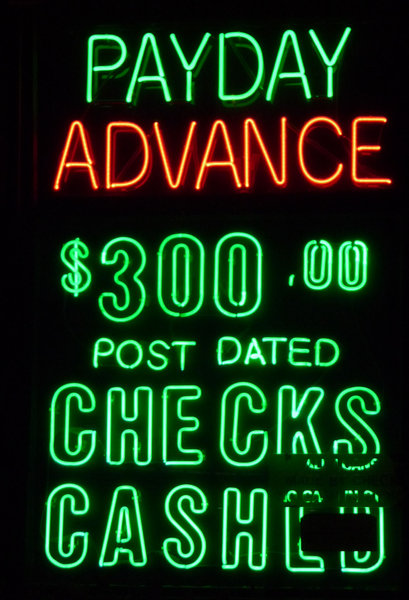
Payday loans have lengthy been a topic of controversy, typically criticized for their high-curiosity rates and potential to lure borrowers in a cycle of debt. Nonetheless, the landscape of payday lending is experiencing significant adjustments as monetary expertise (fintech) corporations and legislative efforts reshape the surroundings. This article examines recent advancements in payday loans, focusing on the mixing of know-how, regulatory reforms, and the emergence of alternative lending options, all of which goal to make short-time period borrowing safer and extra accessible for shoppers.
Fintech Revolution: Enhancing Accessibility and Transparency
One of the most notable advances in payday loans is the integration of fintech options that enhance accessibility and transparency. Conventional payday lending typically entails high prices, complicated terms, and restricted communication from lenders. In contrast, many fashionable fintech companies provide platforms that simplify the borrowing process, providing consumers with clearer details about loan phrases, charges, and repayment schedules.
Digital lending platforms now enable borrowers to apply for payday loans online, usually by way of consumer-friendly mobile purposes. This shift towards digitalization has lowered the need for physical storefronts, and in consequence, many corporations can provide lower charges. By using algorithms and information analytics, these platforms can assess applicants’ creditworthiness more accurately, thereby reducing dangers and prices associated with lending. This advancement not solely benefits shoppers by making loans more reasonably priced but in addition enhances lender effectivity.
Moreover, the rise of instant loan approval methods has transformed how customers entry funds. Borrowers can obtain instant suggestions on their loan purposes, permitting them to make knowledgeable selections quickly—an vital factor for people dealing with financial emergencies. This immediacy is crucial in a society where unexpected bills can arise at any moment, equivalent to medical emergencies or car repairs. In consequence, fintech has streamlined payday lending, making it extra responsive to consumer wants.
Regulation and Shopper Safety Initiatives
In recent years, there was a concerted push for better regulation of payday loans, pushed by issues about the exploitative nature of some lending practices. Numerous state governments and advocacy organizations have labored to ascertain extra strong shopper protection measures geared toward curbing predatory lending practices. Legislative efforts have included cap interest rates, restrict the number of loans a borrower can have excellent at one time, and require transparent disclosure of loan terms.
One promising development is the implementation of "cooling-off" intervals between loans. This regulation requires that borrowers wait a sure number of days before they'll take out another payday loan. This measure addresses the issue of consumers changing into trapped in a cycle of debt, permitting borrowers to recover financially before taking on extra loans.
Moreover, some states have introduced regulations mandating that lenders present financial training sources to borrowers. These programs assist consumers perceive the implications of borrowing and provide steering on managing debt, which in flip empowers them to make more knowledgeable monetary decisions. By specializing in training as a companion to borrowing, regulators goal to create a extra sustainable lending atmosphere.
Alternative Lending Options: A Shift In direction of Fairer Credit Solutions
The rise of different lending choices represents another significant advance within the payday loan market. In case you have almost any issues relating to in which in addition to the way to employ emergency borrowing options, you are able to call us in our own web-site. As consumer consciousness of monetary merchandise increases, many people are looking for safer and extra inexpensive alternatives to traditional payday loans. Peer-to-peer lending platforms and community-based lending initiatives have emerged as viable options, usually providing decrease curiosity charges and more flexible repayment terms.
Peer-to-peer lending platforms join borrowers instantly with particular person traders, successfully bypassing conventional financial establishments. By eliminating the middleman, these platforms can supply more competitive rates and foster opportunities for people to lend money of their group. This neighborhood-centered strategy not only helps borrowers discover funding but additionally permits lenders to support people in need, creating a way of shared responsibility concerning monetary effectively-being.
Moreover, many credit unions and neighborhood banks are stepping up to offer small-dollar loans as a substitute to payday lending. These institutions typically offer decrease curiosity charges, extra manageable repayment terms, and financial counseling, all of which contribute to a healthier borrowing atmosphere. The concentrate on neighborhood lending emphasizes not just the act of borrowing but also the significance of constructing lengthy-time period monetary stability.
Financial Literacy: Equipping Consumers for Higher Decisions
A important advancement within the payday lending landscape is the renewed emphasis on client financial literacy. As lenders and regulators work to promote better practices within the trade, there was a rising recognition of the necessity for customers to know their own monetary conditions. Monetary schooling programs, typically offered by nonprofit organizations, intention to teach individuals about budgeting, saving, and responsible borrowing.
These packages include workshops, on-line assets, and private finance programs designed to equip customers with the information they should navigate monetary challenges successfully. By growing financial literacy, customers develop into better geared up to evaluate loan choices, perceive the true cost of borrowing, and make decisions that align with their long-term financial goals.
Furthermore, as fintech companies incorporate educational content directly into their platforms, borrowers acquire insight whereas using these companies. For instance, some apps provide calculators to help users perceive the influence of curiosity charges on their loans or supply comparisons to different borrowing options. This integration of education into the borrowing process has the potential to create a more informed client base, encouraging responsible borrowing practices.
Conclusion: A Hopeful Future for brief-Time period Lending
The advancements in payday loan services characterize a significant shift within the brief-time period lending landscape. The mixture of technology, regulatory reforms, alternative lending choices, and increased financial literacy creates a more balanced and equitable environment for borrowers. Whereas challenges remain in addressing the predatory practices which have traditionally characterized the business, the march in the direction of modernization and client empowerment is promising.
Because the landscape continues to evolve, it is essential for customers to remain informed and leverage these developments to make responsible monetary choices. With the correct instruments and information, people can navigate the complexities of payday loans and emerge on a steadier path in direction of financial stability. The way forward for payday lending may not be excellent, but it's changing into more and more geared towards supporting consumers slightly than trapping them in cycles of debt.


